
Skip to Content

Dental...: Basic Guide To Dental Instruments - Free

A thin, pointed tool used to detect cavities, calculus, and irregularities on tooth surfaces through tactile sensitivity.

Provides indirect vision of hard-to-see areas, reflects light, and retracts the tongue or cheek. BASIC GUIDE TO DENTAL INSTRUMENTS - free dental...

A dental instrument tray is organized logically, typically from left to right in the order they will be used during a procedure. For students and dental assistants, understanding these tools—often made from durable, corrosion-resistant stainless steel—is essential for safe and efficient clinical care. 1. Basic Examination Instruments A thin, pointed tool used to detect cavities,

These manual tools allow for precise tooth preparation without the heat generated by high-speed drills. Basic Dental Instruments: Common Tools Explained Basic Dental Instruments: Common Tools Explained These are

These are the most frequently used tools, found on almost every tray setup for initial assessment.

Used to transfer small items, like cotton rolls or pellets, into and out of the mouth.

Features millimeter markings to measure the depth of "pockets" in the gums, helping to diagnose gum disease. 2. Hand Cutting & Preparation Instruments

Give the Gift
of Adventure
Shop our Holiday Gift Guide while supporting our mission to save wildlife.
Bundle up the magic  
Make it a Zoo Day
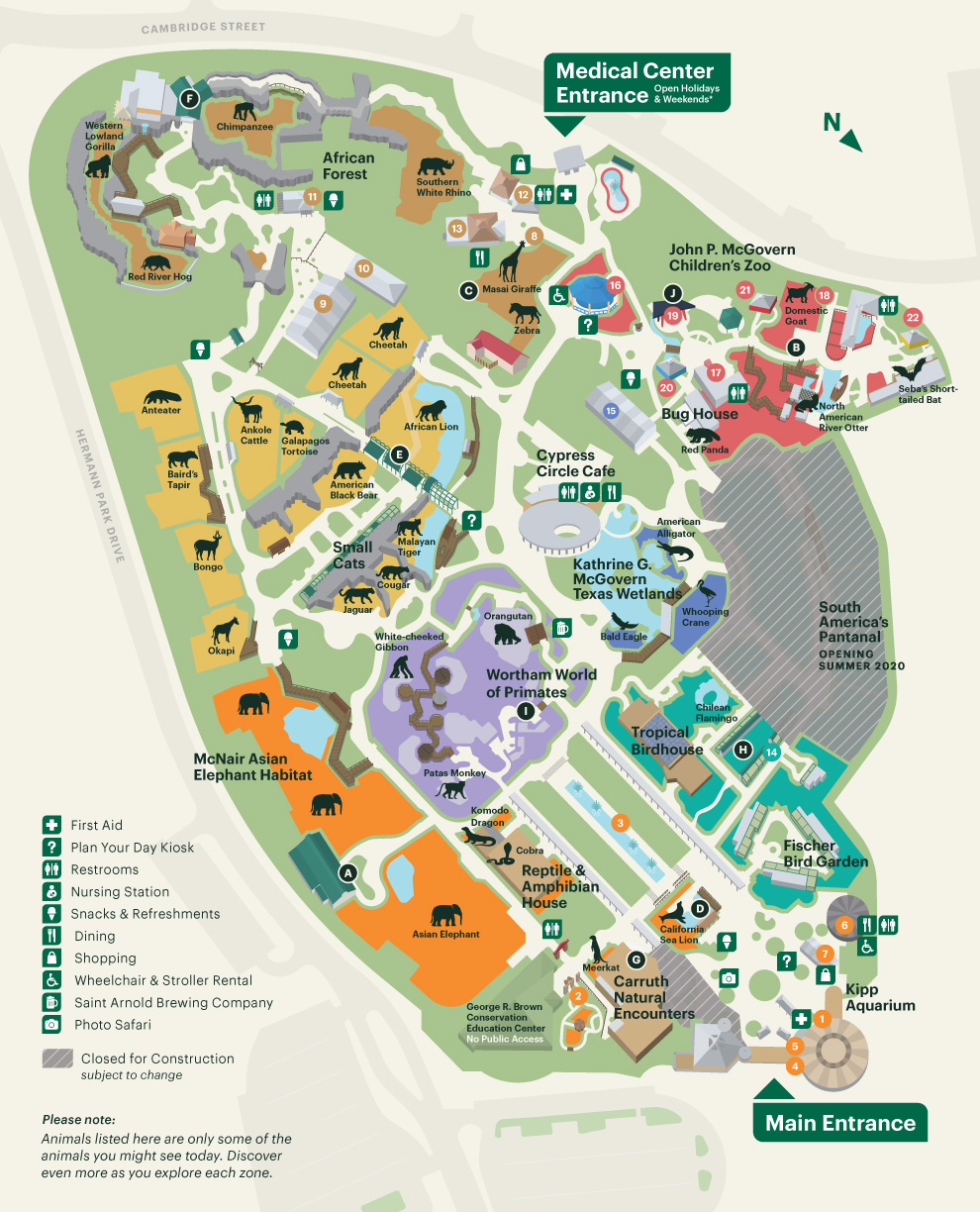
Plan a Zoo visit! Tickets are available to reserve through December 31.
Buy Tickets  
Birds of the World
Explore our newest exhibit and see birds from around the globe.
Plan Your Visit  
Bringing the Zoo to You
Tune in to our Facebook Live series on Wednesdays
at 11am CDT.
Learn More  
See them.
Save them.
Your visit to the Zoo helps save animals in the wild!
Save Wildlife  

A thin, pointed tool used to detect cavities, calculus, and irregularities on tooth surfaces through tactile sensitivity.

Provides indirect vision of hard-to-see areas, reflects light, and retracts the tongue or cheek.

A dental instrument tray is organized logically, typically from left to right in the order they will be used during a procedure. For students and dental assistants, understanding these tools—often made from durable, corrosion-resistant stainless steel—is essential for safe and efficient clinical care. 1. Basic Examination Instruments

These manual tools allow for precise tooth preparation without the heat generated by high-speed drills. Basic Dental Instruments: Common Tools Explained

These are the most frequently used tools, found on almost every tray setup for initial assessment.

Used to transfer small items, like cotton rolls or pellets, into and out of the mouth.

Features millimeter markings to measure the depth of "pockets" in the gums, helping to diagnose gum disease. 2. Hand Cutting & Preparation Instruments

Tag Your Photos

#HoustonZoo