FHB Logo Facebook LinkedIn Email Pinterest Twitter X Instagram Tiktok YouTube Plus Icon Close Icon Navigation Search Icon Navigation Search Icon Arrow Down Icon Video Guide Icon Article Guide Icon Modal Close Icon Guide Search Icon Skip to content
Subscribe
Log In
  • How-To
  • Design
  • Tools & Materials
  • Restoration
  • Videos
  • Blogs
  • Forum
  • Magazine
  • Members
  • FHB House
  • Podcast
Log In

The music thrived at ceilidhs (social events) and informal pub sessions, where musicians gathered to swap tunes and improvise.

Traditional Celtic music was rarely written down; it was passed "by ear" from one generation to the next.

The most prominent sources of modern Celtic music, defined by lively dance tunes and soulful ballads.

A standard violin played with unique rhythmic bowing and ornamentation.

💡 While often viewed as "ancient," the modern concept of a unified "Celtic identity" in music gained significant momentum in the 1800s during cultural revival movements. If you'd like to dive deeper, I can look for: Specific playlists or essential songs for beginners. The differences between Irish and Scottish folk styles. Modern Celtic-rock or metal bands.

Students traditionally learned by mimicking the melodies and rhythms of masters rather than using formal notation. 🥁 Key Instruments

Celtic music originates from the traditional folk music of the "Celtic nations"—primarily . While it is often associated with the ancient Celts who migrated across Europe around 500 BCE, much of the music we recognize today was preserved through oral tradition and evolved through centuries of cultural exchange and migration. 🌍 Geographic Roots

Fine Homebuilding Magazine

  • Celtic Music - Origins
    Issue 336 - Dec/Jan 2026
    • Tool Test: Cordless Framing Nailers
    • Installing an ERV or HRV
    • Ease the Pane of Window Selection
  • Celtic Music - Origins
    Issue 335 - November 2025
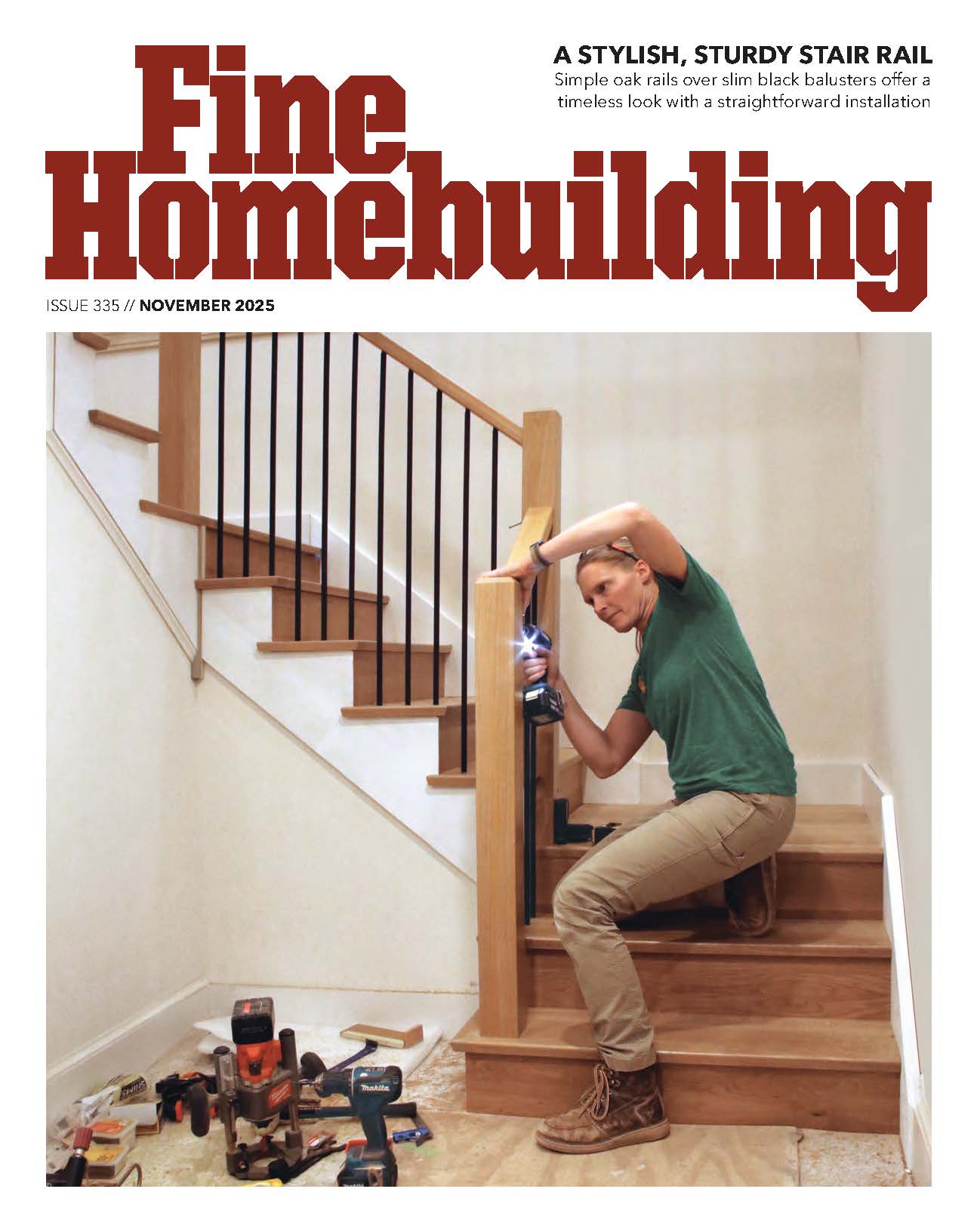
    • A Stylish, Sturdy Stair Rail
    • Rock-Solid Framed Floors
    • Smart Vapor Retarders
  • Celtic Music - Origins
    Issue 334 - October 2025
    • Student Housing
    • New Stairs for an Old House
    • Do Safer Strippers Work?
  • Celtic Music - Origins
    Issue 333 - August/September 2025
    • A Practical Perfect Wall
    • Landscape Lighting Essentials
    • Repairing a Modern Window Sash
  • Celtic Music - Origins
    Issue 332 - July 2025
    • Custom Built-ins With Job-Site Tools
    • Fight House Fires Through Design
    • Making the Move to Multifamily

Fine Home Building

Newsletter Sign-up

  • Fine Homebuilding

    Home building tips, offers, and expert advice in your inbox.

  • Green Building Advisor

    Building science and energy efficiency advice, plus special offers, in your inbox.

  • Old House Journal

    Repair, renovation, and restoration tips, plus special offers, in your inbox.

Signing you up...

This site is protected by reCAPTCHA and the Google Privacy Policy and Terms of Service apply.
See all newsletters

Follow

  • Celtic Music - Origins

    Fine Homebuilding

    Dig into cutting-edge approaches and decades of proven solutions with total access to our experts and tradespeople.

    Start Free Trial Now
    • Facebook
    • Instagram
    • X
    • LinkedIn
  • Celtic Music - Origins

    GBA Prime

    Get instant access to the latest developments in green building, research, and reports from the field.

    Start Free Trial Now
    • Facebook
    • YouTube
  • Celtic Music - Origins

    Old House Journal

    Learn how to restore, repair, update, and decorate your home.

    Subscribe Now
    • Facebook
    • Instagram
    • X
  • Fine Homebuilding

    Dig into cutting-edge approaches and decades of proven solutions with total access to our experts and tradespeople.

    Start Free Trial Now
    • Facebook
    • Instagram
    • X
    • LinkedIn
  • GBA Prime

    Get instant access to the latest developments in green building, research, and reports from the field.

    Start Free Trial Now
    • Facebook
    • YouTube
  • Old House Journal

    Learn how to restore, repair, update, and decorate your home.

    Subscribe Now
    • Facebook
    • Instagram
    • X

Membership & Magazine

  • Online Archive
  • Start Free Trial
  • Magazine Subscription
  • Magazine Renewal
  • Gift a Subscription
  • Customer Support
  • Privacy Preferences

    © 2026 Clear Lighthouse

  • About
  • Contact
  • Advertise
  • Careers
  • Terms of Service
  • Site Map
  • Do not sell or share my information
  • Privacy Policy
  • Accessibility
  • California Privacy Rights

© 2025 Active Interest Media. All rights reserved.

Fine Homebuilding receives a commission for items purchased through links on this site, including Amazon Associates and other affiliate advertising programs.

X
X
This is a dialog window which overlays the main content of the page. The modal window is a 'site map' of the most critical areas of the site. Pressing the Escape (ESC) button will close the modal and bring you back to where you were on the page.

Celtic Music - Origins -

The music thrived at ceilidhs (social events) and informal pub sessions, where musicians gathered to swap tunes and improvise.

Traditional Celtic music was rarely written down; it was passed "by ear" from one generation to the next.

The most prominent sources of modern Celtic music, defined by lively dance tunes and soulful ballads.

A standard violin played with unique rhythmic bowing and ornamentation.

💡 While often viewed as "ancient," the modern concept of a unified "Celtic identity" in music gained significant momentum in the 1800s during cultural revival movements. If you'd like to dive deeper, I can look for: Specific playlists or essential songs for beginners. The differences between Irish and Scottish folk styles. Modern Celtic-rock or metal bands.

Students traditionally learned by mimicking the melodies and rhythms of masters rather than using formal notation. 🥁 Key Instruments

Celtic music originates from the traditional folk music of the "Celtic nations"—primarily . While it is often associated with the ancient Celts who migrated across Europe around 500 BCE, much of the music we recognize today was preserved through oral tradition and evolved through centuries of cultural exchange and migration. 🌍 Geographic Roots

Members get unlimited site access.

To unlock this page, Start a Free Trial

Already a member? Log in