Kad_sam_bio_mlad ✭
The song's enduring popularity lies in its relatability. It taps into the universal human experience of realizing that time has moved faster than you planned. In Balkan "kafanas" (taverns) and rock clubs alike, you will still see teenagers and sixty-year-olds singing along to the chorus with equal fervor. Riblja Čorba Album: Labudova pesma (1992)
"Kad sam bio mlad... zvali su me Turčin" (an ironic reference to his looks or lifestyle at the time). kad_sam_bio_mlad
Long before the internet, "Kad sam bio mlad" became a linguistic shortcut in former Yugoslavia. It is the ultimate "old man" phrase. Whether used to complain about modern music, the behavior of "today's kids," or the sudden ache in one's back, starting a sentence with these words immediately signals a humorous (or grumpy) reflection on the passage of time. 3. Why It Still Hits Home The song's enduring popularity lies in its relatability
While many songs about youth are bathed in golden-hued nostalgia, Riblja Čorba took a different route. The song is famously cynical and self-deprecating. Instead of reminiscing about "better days," it paints a picture of a protagonist who was perhaps just as much of a mess then as he is now—just with more hair and better knees. 2. The Cultural "Meme" before Memes Riblja Čorba Album: Labudova pesma (1992) "Kad sam
The phrase (English: "When I was young") is a classic opening line in Balkan culture, most famously associated with the hit song by the legendary Serbian and Yugoslav rock band Riblja Čorba . The Anthem of a Generation: "Kad sam bio mlad"
When Bora Đorđević first growled the lyrics to "Kad sam bio mlad," he wasn't just singing a song; he was capturing the collective sigh of a generation watching its youth fade in the rearview mirror. Released in 1992 on the album Labudova pesma , the track remains one of the most recognizable rock anthems in the Balkans. 1. A Masterclass in Irony
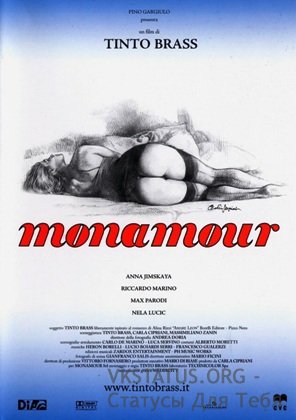
![Любовь моя / Monamour (2005) DVDRip [2100mb]](https://24-info.lol/uploads/posts/2013-10/eroticheskie-filmy_lyubov-moya-monamour-2005-dvdrip-2100mb_1.jpeg)

![Малена / Malena (2000) DVDRip [1.46GB]](https://24-info.lol/uploads/posts/2013-10/eroticheskie-filmy_malena-malena-2000-dvdrip-146gb_1.jpeg)


![Ключ / La Chiave (1983) DVDRip [1400mb]](https://24-info.lol/uploads/posts/2013-10/eroticheskie-filmy_klyuch-la-chiave-1983-dvdrip-1400mb_1.jpeg)