
 Italiano
 Français
 Deutsch
 Español
 Nederlands
 Svenska
 Polski
 sparkling water
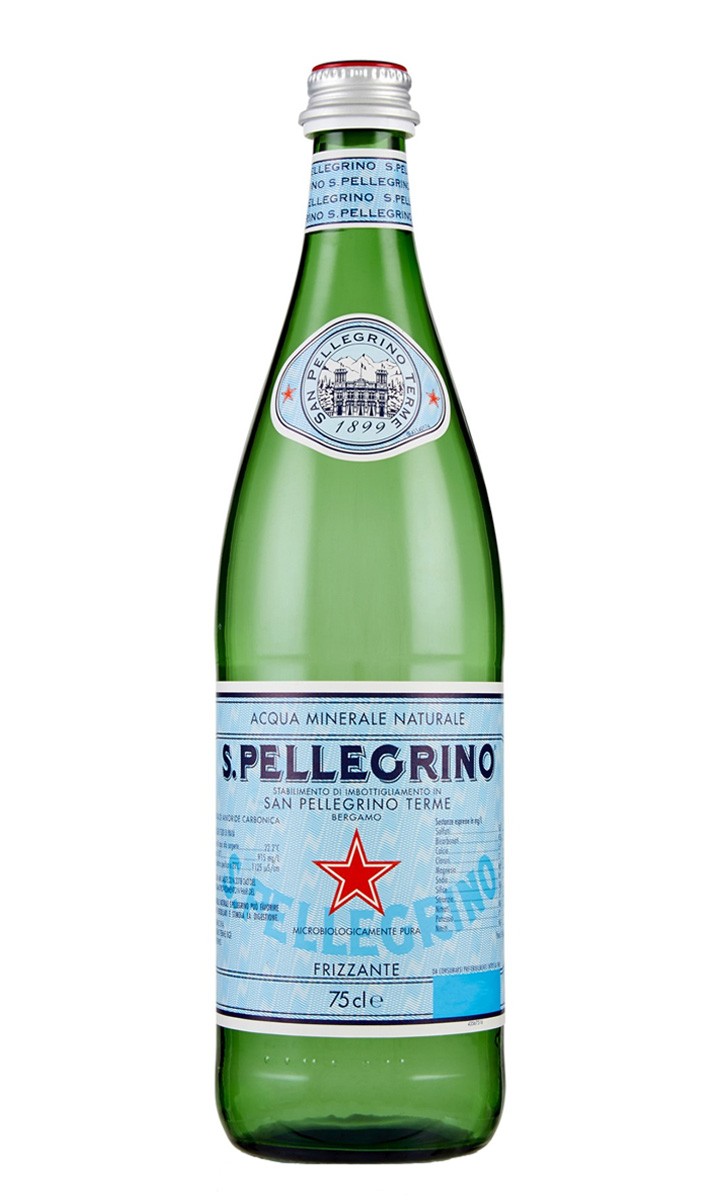 Water in Glass
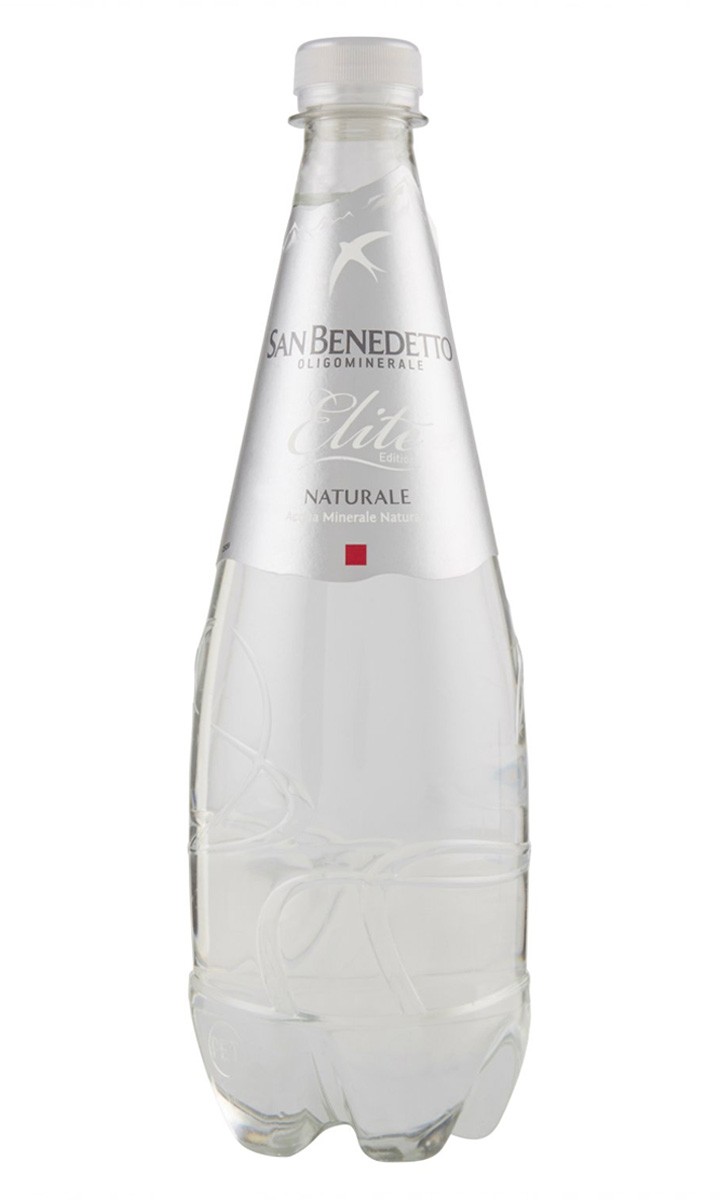 Still water
 Canned Water
 Broth
Broth Milk
Milk Coffee
 Sugar and Sweeteners
 Seasonings
 Crackers and Slices
 Honey
Honey Bread and Breading
 Butter
 Digestives
 Tomato and Sauces
 Fruits and vegetables
 Meat and fish
 Sauces
 Infusions
 Cream
Cream Yeasts and Powders
 Barley and Ginseng
 Carbonated drinks
 Juices
 You
You Coca Cola
 Energy Drink
 Non-alcoholic aperitifs
 Schweppes
 drinks Supplements
 Other Drinks
 Other Drinks
 Blonde beer
 Red beer
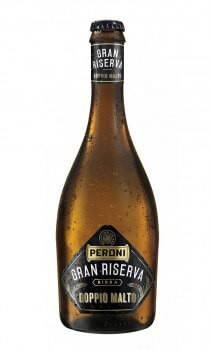 Double malt beer
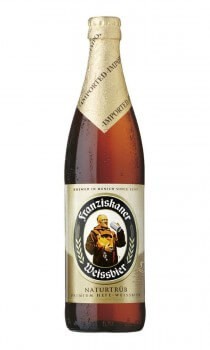 Weiss beer
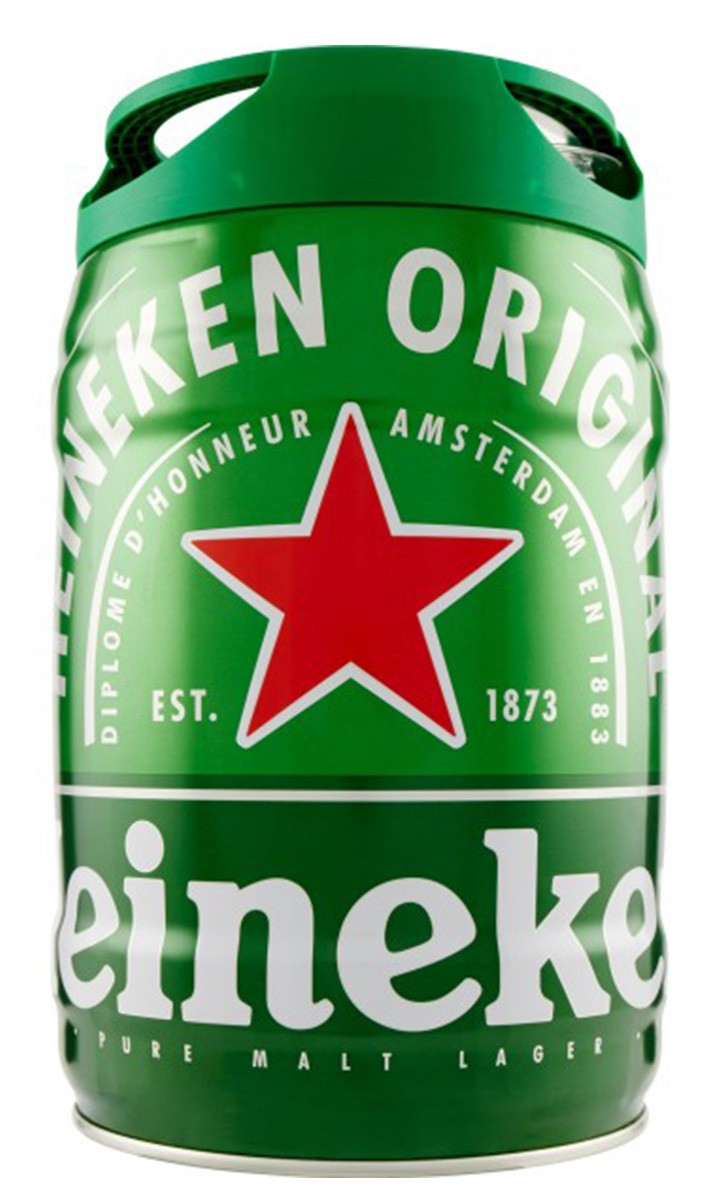 Beer kegs
 Raw Beer
 Gluten Free Beer
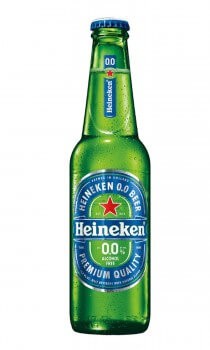 Non alcoholic beer
 Craft beer
 Unfiltered Beer
 Cereal bars
 Cereals and Flakes
 Panettoni and Pandori
 Torroni e Dolci Natalizi
 Christmas baskets
 Savoury snacks
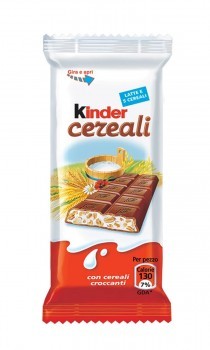 Kinder Ferrero
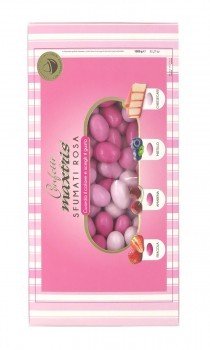 Jordan Almonds
 Sweets and Chocolates
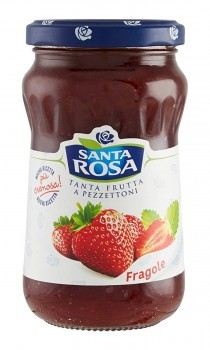 Jams
Jams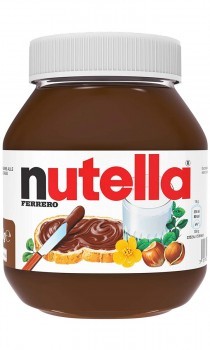 Spreadable Creams
 Brioches
 Prepared For Dessert
 Topping and Syrups
 Preparation Ice Cream
 candy chewing gum
 Chips
Chips Cookies
 Liqueurs
 Liqueurs for Cocktails
 Special Liqueurs
 Aperitif Liqueurs
 Cognac
 Sambuca
 Tequila
 Gin
Gin Rum
Rum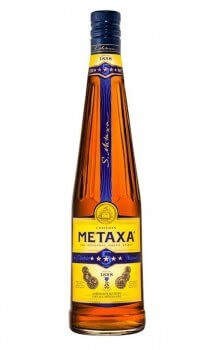 Brandy
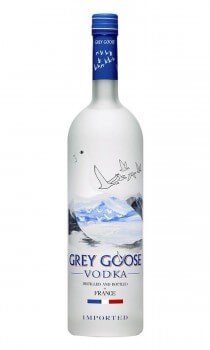 Vodka
Vodka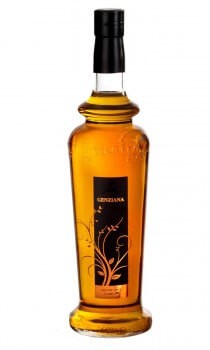 Other Liqueurs
 Grappa
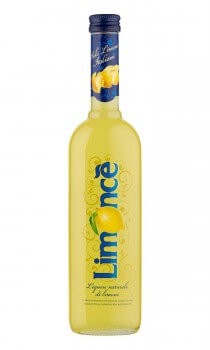 limoncello
 Whiskey
 Magnum Bottles
 Gift Box
 Pasta
Pasta Flour
Flour Rice
Rice Cous cous
 Gluten Free Pasta
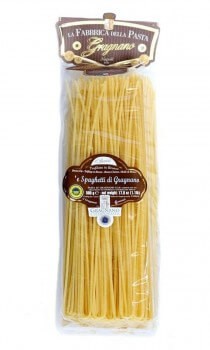 Pasta of Gragnano
 Tortellini and Ravioli
 Wholemeal Pasta
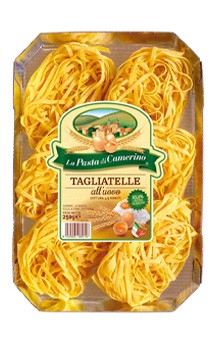 Fresh pasta
 Plastic
 Tools
Tools Spray
Spray Paper
Paper Glass
Glass Aluminium
 Products for Animals
 Nitrile Gloves
 Cooking utensils
 Detergents
 Crockery
 Personal hygiene
 Air Freshener
 Disinfectants
 Cheeses
 Cured meat
 Red wines
 White wines
 Organic wines
 Fortified wines
 Champagne
 Sparkling wines
 Prosecco
 Rosé wines
 Franciacorta
There are no more items in your cart
Polish-mercury-glass-ornaments Page
Despite the name, modern mercury glass does not actually contain mercury. The technique, also known as "silvered glass," originated in 19th-century Bohemia and eventually spread to Poland.
By the late 1800s, this technique was adapted for Christmas ornaments, offering a "poor man's silver" look that was affordable yet stunningly radiant. polish-mercury-glass-ornaments
While early versions used mercury or lead, safety concerns led to their replacement with silver nitrate to achieve that iconic mirror finish from within. How They Are Made: A Craft of Fire and Air Despite the name, modern mercury glass does not
Polish glass ornaments, or bombki , are more than just holiday decor; they are handcrafted treasures with a history as rich as their shimmering surfaces. Known for their intricate hand-painted designs and durable craftsmanship, Poland is currently the world’s fifth-largest exporter of these glittering wonders. The History of Polish "Mercury" Glass While early versions used mercury or lead, safety
The Radiance of Tradition: A Guide to Polish Mercury Glass Ornaments
Authentic Polish ornaments are still made using traditional mouth-blown techniques in regions like , Krosno , and Józefów .
The process was initially developed to create a reflective coating for mirrors around 1840.